

Ginger for Migraine Relief: Does Ginger Root Help?
Ginger for migraine relief is a gentle, accessible option that may help reduce nausea and possibly shorten an acute migraine. Ginger root has long been used for nausea and vomiting, and emerging research asks whether ginger may help reduce a migraine headache or shorten an acute migraine. In this first part, we explore what ginger is, its health benefits, and how ginger may offer support during migraine episodes. While the efficacy of ginger is still being clarified, ginger is widely available as fresh ginger, ginger powder, ginger extract, and ginger capsules that many can easily use.
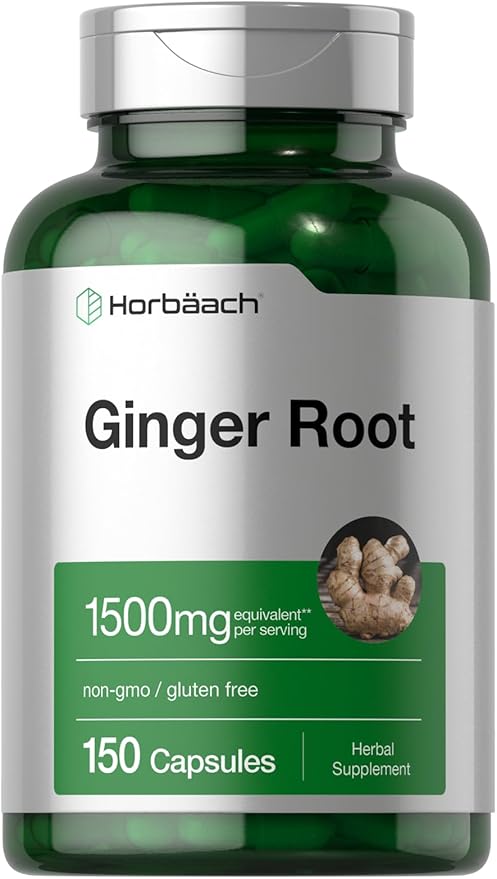
Understanding Ginger and Its Benefits
Understanding ginger begins with its role as a traditional spice and remedy that may influence migraine symptoms, digestive comfort, and inflammation. People use ginger for migraine because it may modulate pathways tied to migraine pain and nausea. The effect of ginger has been studied in randomized controlled settings that compare the efficacy of ginger and sumatriptan for acute migraine, as well as the treatment of migraine with ginger extract or powdered ginger. While findings vary, many seek migraine relief by adding forms of ginger like ginger tea, capsule options, or fresh ginger to a broader migraine prevention or migraine acute treatment plan.
What is Ginger?
Ginger is the aromatic rhizome of Zingiber officinale, commonly known as ginger root. It is used worldwide as a culinary spice and herbal remedy, often prepared as fresh ginger, powdered ginger, ginger extract, or ginger oil. People can take ginger as a capsule, brew ginger tea, or even try ginger ale, though sugar content may limit its usefulness. Ginger essential oil is sometimes used topically, while dry ginger extract offers standardized compounds. Because ginger help extends to nausea and vomiting, individuals exploring ginger root for migraines often start with a teaspoon of powdered ginger or ginger in warm water during a migraine attack.
Health Benefits of Ginger
Ginger supports digestive comfort, reduces nausea and vomiting, and may offer anti-inflammatory and antioxidant effects. These properties underpin interest in ginger for migraine, where the effect of ginger could ease migraine symptoms such as queasiness and migraine pain. Some studies on the efficacy of ginger show promise for acute migraine when compared with sumatriptan, though results vary. People with migraine may use ginger supplements, ginger powder in beverages, or ginger tea to support overall well-being. Because forms of ginger are versatile, many choose to take ginger regularly as part of a lifestyle approach to migraine prevention and the treatment of migraine.
How Ginger May Help with Migraines
Ginger may modulate inflammatory pathways and serotonin receptors involved in migraine, which could influence both migraine pain and associated nausea. In some randomized controlled trials, the efficacy of ginger and sumatriptan has been compared for migraine acute treatment, suggesting that ginger may offer benefits for certain people with migraine. Practical options include a teaspoon of powdered ginger in warm water at onset, standardized capsules, or freshly brewed ginger tea. A migraine clinic may suggest trying ginger root for migraines alongside standard migraine treatment to evaluate individual response and safety.
Ginger for Migraine Relief
Ginger for migraine has moved from folklore to practical adjunct in migraine treatment as people with migraine seek nonpharmacologic tools for migraine relief. Early studies, including randomized controlled comparisons of the efficacy of ginger and sumatriptan, explore whether ginger may shorten an acute migraine or reduce a migraine headache. While the efficacy of ginger varies, ginger’s effect on nausea, vomiting, and migraine pain is promising. A migraine clinic may recommend safe ways to take ginger alongside standard care, emphasizing forms of ginger like ginger tea, ginger extract, and ginger capsules tailored to each migraine attack.
Forms of Ginger for Migraine Treatment
Multiple forms of ginger allow flexible use during migraine episodes. Fresh ginger can be grated into hot water, while ginger powder or powdered ginger mixes quickly for fast onset in an acute migraine. Standardized ginger extract or dry ginger extract in capsules offers consistent dosing for the treatment of migraine. Ginger oil or ginger essential oil is primarily aromatic and not a substitute for oral products. Some try ginger ale, but sugar and low ginger content limit benefits. People with migraine can use ginger for migraine relief by choosing a familiar format that supports adherence and tracks the effect of ginger over time.
| Ginger form | Notes on use during migraine |
|---|---|
| Fresh ginger | Grate into hot water |
| Ginger powder / powdered ginger | Mixes quickly for fast onset in an acute migraine |
| Standardized or dry extract (capsules) | Offers consistent dosing |
| Ginger oil / essential oil | Primarily aromatic; not a substitute for oral products |
| Ginger ale | Benefits limited by sugar and low ginger content |
Using Ginger Tea for Headache Relief
Ginger tea is accessible and hydrating; steep fresh slices or a teaspoon of powder for 5–10 minutes and sip at first signs of a migraine headache. Ginger may ease nausea and vomiting and complement other migraine acute treatment strategies. Some people with migraine add lemon or honey if tolerated, though limiting strong aromas may help during sensitive phases. Regularly brewed ginger tea can also support migraine prevention routines, helping individuals observe the efficacy of ginger across several migraine episodes.
| Aspect | Details |
|---|---|
| Preparation | Steep fresh slices or a teaspoon of powder for 5–10 minutes; sip at first signs of a migraine. |
| Potential Benefits | May ease nausea and vomiting; can complement other acute migraine treatments and support prevention routines. |
| Optional Additions | Lemon or honey if tolerated; consider limiting strong aromas during sensitive phases. |
Ginger Supplements: A Powerful Migraine Tool
Ginger capsules with standardized extract provide predictable dosing and are convenient when taste sensitivity is high. A capsule is convenient if taste sensitivity is high, and some users take ginger proactively at aura or onset as part of migraine acute treatment. Although data are still developing, comparisons such as the efficacy of ginger and sumatriptan indicate ginger may offer benefit for certain people with migraine. Review quality, dose, and interactions, and coordinate with a clinician to optimize treatment of migraine.
Ways to Use Ginger for Migraine Relief
There are many forms of ginger that people with migraine can use to support migraine relief during acute migraine and between migraine episodes. Use ginger at the first signs of a migraine: tea, capsules, or a teaspoon of powder in warm water. Some prefer powdered ginger or a teaspoon of ginger stirred into warm water to deliver a rapid effect of ginger. Because the efficacy of ginger varies, track your response to help tailor treatment. Consistency, hydration, and gentle dosing can complement standard migraine acute treatment.
Simple Ways to Start Using Ginger
At onset, try 1 teaspoon of powdered ginger in warm water or fresh ginger tea; capsules are an alternative if taste is an issue. People with migraine can also add ginger powder to smoothies or broth when solids are hard to tolerate. Start low, note effects on pain and nausea, and integrate alongside usual care.
| Use | Details |
|---|---|
| At onset | 1 teaspoon powdered ginger in warm water or fresh ginger tea; capsules if taste is an issue |
| When solids are hard to tolerate | Add ginger powder to smoothies or broth |
| Approach | Start low, note effects on pain and nausea, and integrate alongside usual care |
Using Ginger Essential Oil
Ginger essential oil and ginger oil can play a supportive role, though they are not substitutes for oral ginger supplements or ginger extract used in migraine treatment. Some people with migraine apply diluted ginger essential oil to temples or use aromatherapy during a migraine attack to promote relaxation, while avoiding strong scents if they worsen a migraine headache. Evidence for essential oil is weaker than for capsules or powder; dilute with a carrier oil and patch test, and coordinate with a migraine clinic to ensure topical use aligns with overall migraine prevention.
Ginger Ale: Is It Effective?
Most ginger ales contain little real ginger and lots of sugar, limiting migraine benefits. While carbonation can soothe nausea and vomiting for a few, the effect of ginger in many sodas is minimal compared with ginger tea, a teaspoon of powdered ginger in water, or a standardized capsule of ginger extract. If choosing ginger ale, look for options with real ginger and low sugar, or better yet, use fresh ginger or dry ginger extract for more reliable support during acute migraine and ongoing treatment of migraine.
Scientific Insights on Ginger and Migraine
Scientific interest in ginger for migraine centers on how ginger may modulate pathways involved in a migraine attack, including serotonin signaling, neuroinflammation, and gastric stasis that worsens nausea and vomiting. Researchers have examined the efficacy of ginger in randomized controlled designs, sometimes comparing the efficacy of ginger and sumatriptan for migraine acute treatment. Across forms of ginger such as ginger extract, powdered ginger, and dry ginger extract, studies explore onset, dose, and safety in people with migraine. Results vary, but benefits appear most consistent for nausea during acute migraine, and ongoing work evaluates its role in migraine prevention.
What Research Says About Ginger for Migraines
Early trials suggest ginger may reduce pain intensity and nausea when taken early in an attack. Some randomized controlled studies compare ginger to sumatriptan, finding comparable early relief for select outcomes, though sumatriptan remains a cornerstone of treatment. Variability in dose, timing, and forms of ginger complicates conclusions about overall efficacy, but taking ginger promptly and pairing it with standard care seems favorable.
Ginger’s Impact on Migraine Frequency
Beyond acute migraine care, researchers are testing whether ginger supplements influence migraine episodes over time. Small preliminary studies suggest possible modest reductions in frequency or duration when ginger is integrated into prevention routines. The efficacy of ginger likely depends on consistent dosing, bioactive content in preparations, and adherence. People with migraine who regularly use ginger for migraine should track monthly headache days, rescue use, and migraine pain intensity. A migraine clinic can help tailor forms of ginger, such as ginger powder in tea or a daily capsule, to individual patterns.
Potential Side Effects and Considerations
Most people tolerate ginger, but side effects can include heartburn, stomach upset, and reflux, particularly at higher doses or on an empty stomach. Ginger may affect bleeding risk and interact with anticoagulants—consult a clinician if on such medications or if pregnant. Ginger essential oil should be diluted and is not a substitute for oral supplements. Start low, evaluate the efficacy of ginger, and coordinate with a migraine clinic for safe migraine treatment.