
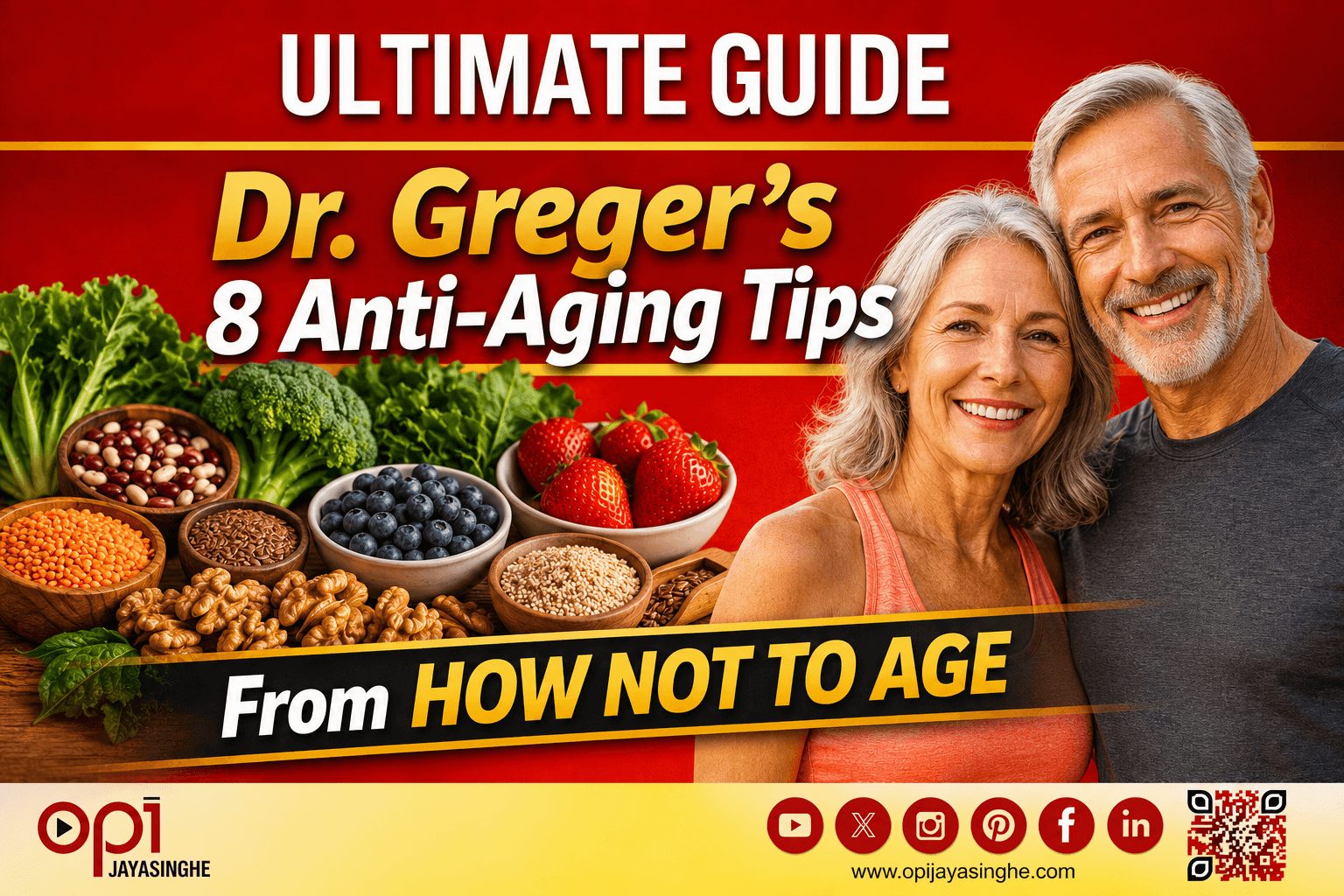
Dr. Michael Greger, a well-known doctor and author, has released another book. “How Not to Age” is his latest work. It offers ways to fight aging and live longer, healthier lives.
This book is packed with tips based on science and real advice. Dr. Greger’s Anti-aging 8 tips help us make big changes to fight aging. Whether you’re new or a long-time fan, there’s something great for you.
Following these tips means more than just living longer. It’s about living better, too. From what we eat to how we stay active, each tip helps us be more vibrant and full of energy. Let’s explore Dr. Greger’s insights and see how we can live longer and healthier.
Key Takeaways
- Dr. Michael Greger’s new book “How Not to Age” focuses on extending healthspan.
- His Anti-aging 8 tips provide practical, evidence-based guidance on optimizing our lifestyle.
- Adopting a whole food plant-based diet is central to his anti-aging advice.
- Incorporating these tips can help in living a longer, healthier, and more vibrant life.
- The book emphasizes the importance of lifestyle choices in combating the aging process.
Introduction to Dr. Greger’s Anti-Aging Tips
Dr. Michael Greger is known for his work on nutrition and longevity. His new book focuses on anti-aging. It builds on his earlier work, like the Daily Dozen checklist from How Not to Die.
In How Not to Age, Dr. Greger shares strategies to slow aging. He emphasizes a plant-based diet. This approach has gained attention for its simple, effective tips.
Dr. Greger is great at making complex science easy to follow. He talks about diet, exercise, and lifestyle changes. His book is a guide to better health and vitality.
Embracing a Plant-based Diet for Longevity
Switching to a plant-based diet is a great way to live longer and avoid early death. It focuses on the health benefits of plant foods, boosting our healthspan. Let’s explore the key benefits and foods that make this diet great for aging.
Benefits of a Plant-based Diet
Going plant-based can greatly improve your life span. It helps lower the risk of serious diseases like heart disease, diabetes, and some cancers. It also gives you essential vitamins, minerals, and antioxidants to fight aging.
For example, green leafy veggies are packed with nutrients and help prevent heart disease. Eating a variety of prebiotic foods also boosts gut health, which is key for staying well.
Specific Foods that Boost Longevity
Adding certain foods to your diet can make it even better for aging. Here’s a table of some top choices:
| Food Category | Examples | Longevity Benefits |
|---|---|---|
| Green Leafy Vegetables | Spinach, Kale, Swiss Chard | Rich in vitamins, minerals, and antioxidants that reduce inflammation and promote heart health |
| Fruits | Blueberries, Strawberries, Apples | High in antioxidants and fiber, improving overall health and reducing oxidative stress |
| Prebiotic Foods | Garlic, Onions, Asparagus | Enhance gut health and boost the immune system |
| Nuts and Seeds | Almonds, Chia Seeds, Walnuts | Sources of healthy fats and proteins which support brain and heart health |
Adding these foods to your diet supports longevity and a healthy lifestyle. Make sure to eat a variety of fruits and veggies. You’ll see a big difference in your health.
The Importance of Prebiotics and Postbiotics
In recent years, gut health has gotten a lot of attention. This is because of its link to anti-aging and living longer. Prebiotics and postbiotics play a big role in our gut health. They can greatly improve our healthspan, which means living a longer life.
What are Prebiotics and Postbiotics?
Prebiotics are special fibers that feed good bacteria in our gut. Postbiotics are the compounds these bacteria make after eating prebiotics.
This relationship between prebiotics and postbiotics is key to a healthy gut. A balanced gut microbiota can greatly improve our health. It can even slow down aging.
How They Aid in Anti-Aging
Prebiotics and postbiotics are vital for anti-aging and living longer. Most people think of anti-aging as skincare or physical health. But, it’s really about our gut.
A healthy gut helps us absorb nutrients better. It also helps us control how much we eat. This is similar to caloric restriction, which is known to help us live longer.
| Component | Function | Contribution to Longevity |
|---|---|---|
| Prebiotics | Feed beneficial bacteria | Improve gut health, enhance nutrient absorption |
| Postbiotics | Bioactive compounds | Boost immune system, reduce inflammation |
Research shows that a balanced gut microbiota is good for our healthspan. Dr. Michael Greger’s book, ‘How Not to Age’, highlights the need for prebiotics and postbiotics. It shows how they can help us live a longer, healthier life.
Caloric Restriction and Its Impact on Aging
Caloric restriction is getting a lot of attention in aging research. It has the promise to slow aging or improve longevity. Eating fewer calories without getting too thin could help us live longer and better.
Understanding Caloric Restriction
Caloric restriction means eating fewer calories but keeping nutrients balanced. It helps the body adapt and fight aging. Studies show it can make metabolism better and reduce stress, which might help us live longer.
Interventional Trials on Caloric Restriction
Many trials have shown caloric restriction’s benefits. For instance, the CALERIE trial found it improves health markers for aging. People who ate fewer calories saw better heart health, less inflammation, and slower aging.
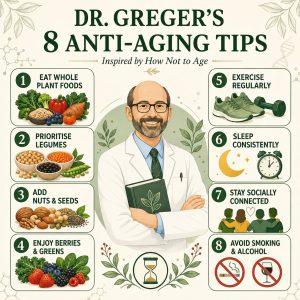
Dr Greger’s Anti-aging 8 based on How not to Age
Dr. Michael Greger’s book, “How Not to Age,” shows a deep understanding of anti-aging. His Anti-aging 8 tips aim to help us live longer and healthier. These eight strategies are designed to work with his Daily Dozen checklist. They offer practical ways to age well.
Detailed Breakdown of the Eight Tips
Dr. Greger’s Anti-aging 8 tips focus on many lifestyle factors that affect aging. Here’s where we start:
- Whole Plant Foods: Eating lots of whole plant foods is key. They’re full of fiber, antioxidants, and nutrients that help us live longer and feel better.
- Adequate Hydration: Drinking enough water is vital for young-looking skin and health. Dr. Greger says we should drink plenty of water to keep our bodies working right.
- Regular Physical Activity: Being active every day is important. It helps keep our muscles, bones, and heart healthy, which is good for aging.
- Stress Management: Too much stress can make us age faster. Dr. Greger suggests using mindfulness and yoga to manage stress and slow aging.
- Adequate Sleep: Good sleep is essential for fixing cells and staying well. Dr. Greger stresses the need for enough sleep to help our bodies heal.
- Limited Alcohol Intake: Drinking less alcohol helps keep our skin healthy and prevents early aging. It reduces the toxins we take in.
- Sun Protection: Protecting our skin from too much sun is important. It helps prevent damage and lowers the risk of skin aging and cancer.
- Maintaining a Healthy Weight: Eating right and exercising helps us avoid chronic diseases. These diseases can make us age faster.
This checklist to complement the daily dozen fits easily into our daily lives. It helps us follow an effective anti-aging plan. Dr. Greger’s Anti-aging 8 tips from “How Not to Age” offer a complete way to live a healthier, younger life.
Why Walnuts are Essential for Anti-aging
Walnuts are known for their amazing nutritional value. They are a key part of anti-aging diets. Their vitamins, minerals, and healthy fats help slow down aging.
Nutritional Value of Walnuts
The nutritional value of walnuts is unmatched. These nuts are full of omega-3 fatty acids, antioxidants, and fiber. They are great for your health and wellbeing.
Just a palmful of walnuts a day gives you important nutrients. You get protein, magnesium, and Vitamin E. These help your heart and boost your immune system.
How Walnuts Slow Aging
Studies show that eating a palmful of walnuts a day can slow aging. Walnuts have polyphenols that fight oxidative stress and inflammation. These are big factors in aging.
Walnuts also have healthy fats. These fats keep your skin elastic, making it look younger.
Many studies back the longevity benefits of walnuts. Eating walnuts can lower the risk of chronic diseases. These diseases can cause early aging. So, walnuts are a simple but powerful addition to your diet.
Protein Restriction and Longevity
One interesting way to live longer is by limiting protein, mainly methionine. Methionine is in animal proteins and is linked to aging. Studies show it plays a big role in how we age.
Role of Protein in Aging
Knowing how protein affects aging is key. Eating too much protein, mainly from animals, raises IGF-1 levels. This hormone can speed up aging and diseases related to age. Lowering protein, like methionine, might cut down IGF-1 and help us live longer.
Optimal Protein Intake for Longevity
Finding the right amount of protein for a long life is tricky. We need enough for muscles, but not too much methionine. Low protein diets can help, but older adults need enough for muscle health. Experts say to focus on plant proteins like legumes, nuts, and seeds. They give amino acids without the high methionine found in meat.
The Role of Green Leafy Vegetables
Green leafy vegetables are key to health and longevity. They are full of vitamins, minerals, and antioxidants. These help fight age-related diseases and boost our healthspan.
Top Green Leafy Vegetables for Longevity
Eating different green leafy vegetables can greatly improve your life span. Here are some of the best ones:
| Vegetable | Key Nutrients | Health Benefits |
|---|---|---|
| Spinach | Iron, Folate, Vitamin K | Improves blood health and bone density |
| Kale | Vitamin A, Vitamin C, Calcium | Boosts immunity and strengthens bones |
| Swiss Chard | Magnesium, Potassium, Fiber | Regulates blood pressure and supports digestion |
| Collard Greens | Vitamin C, Vitamin K, Folate | Enhances immune function and promotes heart health |
How They Contribute to Healthspan
It’s important to eat green leafy vegetables regularly to live a longer, healthier life. They are full of antioxidants that protect cells from damage. This is a big factor in aging.
They also have a lot of fiber, which helps clean out toxins and keeps the gut healthy. This is great for health and longevity.
Research shows that eating lots of green leafy vegetables can lower the risk of serious diseases. These include heart disease, diabetes, and some cancers. They help fight inflammation and fix damaged cells, keeping us healthy for longer.
Exercise and Physical Activity
Adding exercise and physical activity to our daily lives is key for staying healthy. Research shows that even a few minutes a day can greatly improve our well-being, as we get older.
Regular exercise boosts muscle strength in older adults. This makes daily tasks easier and lowers the chance of falls. It also helps slow down the natural aging of our metabolism, aiding in weight control and energy levels.
But exercise does more than just keep us fit. It also lifts our mood, sharpens our minds, and cuts down on anxiety. This leads to better overall physical and mental health. The trick is to pick activities we enjoy, like walking, yoga, or weight training, and stick to them.
Here’s a look at how different activities affect aging:
| Activity | Duration (minutes a day) | Primary Benefits |
|---|---|---|
| Walking | 30 | Improves cardiovascular health, boosts mood |
| Yoga | 20 | Enhances flexibility, reduces stress |
| Strength Training | 15 | Improves muscle strength in frail, increases metabolism |
| Swimming | 25 | Full-body workout, improves endurance |
By making exercise and physical activity a part of our daily lives, we boost our health now and for the future. Just a few minutes a day can lead to big improvements in physical and mental health over time.
Supplements and Anti-Aging
As we get older, many of us look to supplements to help us stay healthy. The topic of how supplements affect longevity is widely discussed. It’s key to know which supplements are good for aging and when to use them.
The Role of Supplements in Longevity
Supplements can be very helpful in supporting longevity, mainly when our diet doesn’t cover all we need. For example, a B12 supplement is vital for seniors. This is because our bodies get worse at absorbing Vitamin B12 as we age. Taking a B12 supplement regularly can prevent deficiencies that might lead to cognitive decline and other health problems.
Common Anti-aging Supplements
There are many supplements known for their anti-aging benefits. These include antioxidants like Vitamin C and E, omega-3 fatty acids, and coenzyme Q10. Each has its own benefits for skin health, reducing inflammation, and supporting heart and brain functions.
It’s also important to talk about the debate on the need for some supplements. For those eating a plant-based diet, supplements like Vitamin D3 and zinc are key. They help prevent deficiencies that can come from not eating meat or dairy.
Here’s a look at some common anti-aging supplements:
| Supplement | Benefits | Recommended Use |
|---|---|---|
| Vitamin B12 | Prevents deficiencies, supports cognitive health | 1,000 mcg daily for older adults |
| Vitamin D3 | Supports bone health, boosts immune function | 1,000-2,000 IU daily, more in winter |
| Omega-3 Fatty Acids | Reduces inflammation, supports heart health | 1,000 mg of EPA and DHA daily |
| Coenzyme Q10 | Boosts energy production, protects cells from damage | 100-200 mg daily |
Conclusion
Dr. Greger’s new book shows us how our choices affect our health and how long we live. Eating a plant-based diet and knowing about prebiotics and postbiotics are key. These steps help us age better.
Choosing the right amount of calories and protein is also important. Adding foods like walnuts and green leafy vegetables to our diet is vital. Exercise keeps us strong and healthy. Supplements can also help us fight aging.
Dr. Greger says making smart choices can greatly improve our life span and quality of life. His advice is all about living a healthy life. By following these tips, we can live longer and healthier lives.
